"What's the THC percentage?"
It's become the number many people look for first.
But ask someone who's been enjoying cannabis for years what they remember most about their favourite flower, and chances are they won't mention the THC percentage.
They'll remember how it smelled.
They'll remember how it tasted.
They'll remember the cultivar.
That's because THC is only part of the story.
The personality of cannabis comes from something else.
Terpenes.
At 710.co.za, we love seeing people discover that great cannabis isn't always the one with the biggest number on the label. Once you start paying attention to terpenes, you'll quickly realise why experienced consumers often shop with their nose before they shop with THC.
Let's take a closer look.
What Are Terpenes?
Terpenes are naturally occurring aromatic compounds found throughout the plant kingdom.
They're responsible for many of the familiar smells you experience every day.
The fresh scent of a lemon.
The aroma of a pine forest after rain.
Lavender growing in the garden.
Freshly cracked black pepper.
Even hops used to brew beer.
All of those distinctive aromas come from terpenes.
Cannabis simply happens to produce a remarkable variety of them.
In fact, THC isn't what makes cannabis smell like cannabis.
Terpenes do.
Why Does Cannabis Produce Terpenes?
Like many plants, cannabis produces terpenes as part of its natural defence system.
These aromatic compounds help protect the plant from environmental stress, pests, and other challenges in nature.
For us, they're responsible for something much more enjoyable.
Every cultivar develops its own unique combination of terpenes, creating the flavours and aromas that make one strain smell completely different from another.
That's why one jar might remind you of freshly peeled oranges, while another smells like diesel, blueberries, pine needles, or sweet candy.
Why Should You Care About Terpenes?
Because they're one of the biggest reasons cannabis can feel so different from one cultivar to the next.
THC tells you how much of one cannabinoid is present.
Terpenes help shape the flavour, aroma, and overall character of the experience.
Think of it like coffee.
Two cups might contain the same amount of caffeine.
One tastes rich and chocolatey.
The other is bright, fruity, and full of citrus notes.
The caffeine hasn't changed.
The flavour has.
Cannabis works much the same way.
THC vs Terpenes
For years, cannabis has been marketed like a competition.
Higher THC.
Stronger cannabis.
Better product.
It's an easy way to compare products, but it doesn't tell the whole story.
Imagine two flowers sitting side by side.
Flower A contains 31% THC.
Flower B contains 24% THC.
On paper, Flower A looks like the obvious winner.
But crack open both jars.
Flower A has very little aroma.
Flower B fills the room with sweet citrus, tropical fruit, and a hint of gas before you've even touched it.
Ask experienced consumers which one they'd rather smoke, and many will reach for Flower B without hesitation.
Why?
Because cannabis isn't judged by THC alone.
It's judged by the overall experience.
A better comparison might be hot sauce.
You could buy the hottest sauce on the shelf.
Or you could buy the one that tastes incredible.
The biggest number doesn't always make the best product.
The Most Common Cannabis Terpenes
Every cultivar contains its own terpene profile, but a handful appear regularly across many popular strains.
Myrcene
One of the most common cannabis terpenes.
Often associated with earthy, musky aromas alongside hints of cloves and ripe mango.
You'll also find myrcene in mangoes, thyme, and lemongrass.
Limonene
Exactly what it sounds like.
Bright citrus aromas that remind you of lemons, oranges, and grapefruit.
Limonene is also found in citrus peels and is one of the easiest terpenes to recognise.
Caryophyllene
Warm, peppery, and slightly spicy.
Black pepper is packed with caryophyllene, which explains why some cultivars carry that unmistakable spicy kick.
Pinene
Ever walked through a pine forest after rain?
That's pinene.
Fresh, woody, herbal, and unmistakably clean.
It's one of the easiest terpene profiles to identify once you've experienced it.
Linalool
Floral and delicate.
If you've ever smelled lavender, you've already experienced linalool.
Some cultivars carry subtle floral notes thanks to this terpene.
Humulene
Earthy, woody, and slightly herbal.
Humulene is also found in hops, making it familiar to many craft beer enthusiasts.
Ocimene
Sweet, herbal, and slightly tropical.
Less common than some of the others, but often found in fruit-forward cultivars with bright aromatic profiles.
Why Terpenes Fade Over Time
Ever opened an old jar and thought,
"That doesn't smell like it used to."
You're probably right.
Terpenes are delicate.
Exposure to heat, light, oxygen, and poor storage slowly breaks them down.
Even the best flower won't smell the same if it's stored poorly for months.
That's why freshness matters.
It's also why properly cured cannabis stored in airtight glass jars often retains its aroma far better than flower left sitting in plastic containers or exposed to the elements.
Why Craft Growers Care So Much About Terpenes
One reason craft flower earns so much praise is the attention given after harvest.
Growing great cannabis is only half the job.
Drying it too quickly can cost flavour.
Curing it for too little time can cost aroma.
Handling it roughly can damage delicate trichomes.
Craft growers often spend weeks carefully drying and curing their harvest because they know those final steps have a huge impact on the finished product.
It's one of the reasons small-batch flower often develops louder aromas and more complex flavour than cannabis rushed through production.
Why Live Rosin Preserves So Much Flavour
If you've ever tried quality live rosin, you've probably noticed how expressive the flavour can be.
That's no accident.
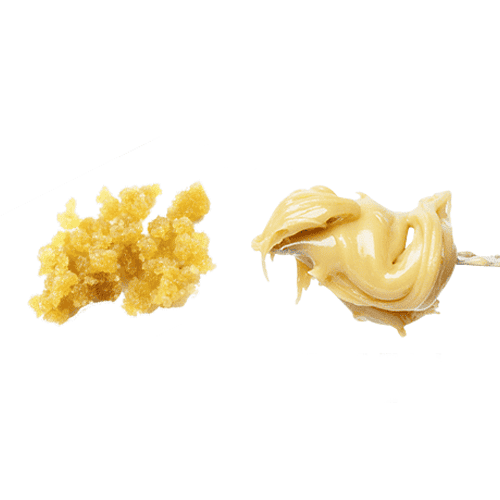
Live rosin starts with fresh frozen cannabis instead of dried and cured flower.
By freezing the plant immediately after harvest, many of the delicate terpenes are preserved before they have a chance to degrade.
The solventless extraction process then helps capture much of that natural terpene profile.
The result is an extract that often tastes remarkably close to the living plant itself.
If you'd like to learn more, check out our guide on Live Rosin vs Live Resin.
How to Protect Your Flower at Home
Even the best cannabis needs proper storage.
A few simple habits can help preserve terpenes for longer.
-
Store flower in airtight glass jars.
-
Keep it somewhere cool and dark.
-
Avoid excessive heat.
-
Open jars only when needed.
-
Consider using a humidity control pack for longer-term storage.
-
Grind flower just before using it instead of all at once.
Good storage won't improve old flower.
But it can help great flower stay great.
Try This Next Time
The next time you buy cannabis, ignore the THC percentage for a moment.
Open the jar.
Close your eyes.
Take a slow breath.
What do you notice?
Fresh lemons?
Sweet berries?
Pine?
Earth?
Candy?
Gas?
Those aromas are your first introduction to terpenes.
Once you start paying attention to them, you'll begin to understand why two flowers with similar THC percentages can deliver completely different experiences.
Why 710.co.za Talks So Much About Terpenes
At 710.co.za, we've opened enough jars over the years to know that the flowers people remember usually aren't the ones with the highest THC percentage.
They're the ones everyone wants to smell.
They're the cultivars that fill the room the moment the lid comes off.
They're the extracts that actually taste like the flower they came from.
That's why you'll often hear us talking about proper curing, fresh frozen material, solventless extracts, and terpene preservation.
Because those are the details that turn good cannabis into memorable cannabis.
THC tells you how much cannabinoid is inside the jar.
Terpenes tell you about the personality of the plant.
And once you understand the difference, you'll never look at cannabis the same way again.
Written By: StonedCPT